
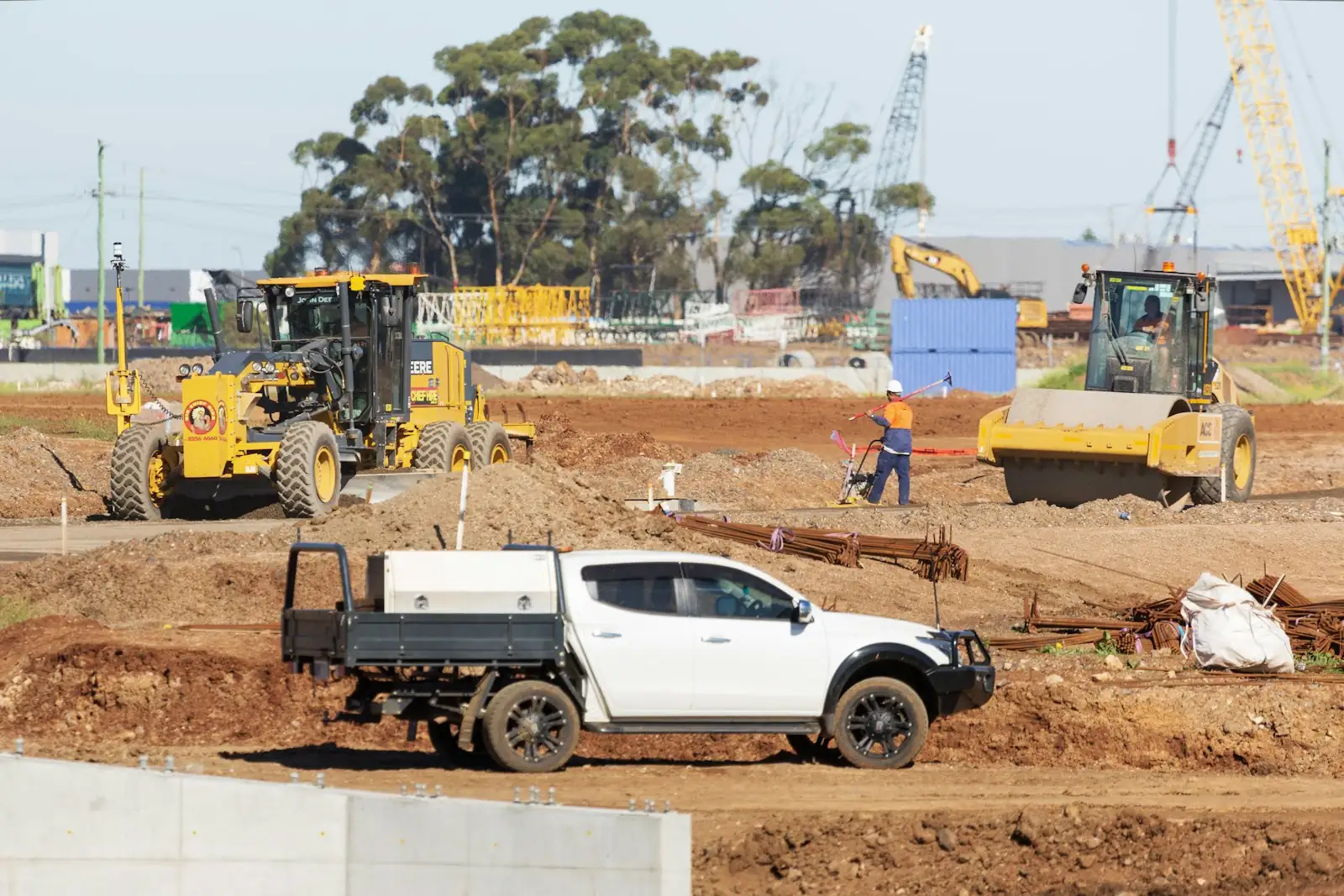
Construction is lumpy: big costs, slow payments, tight margins and a lot of people depending on you. Banks often treat the sector as high risk and slow everything down. We move at site speed.
What construction & building use fast finance for
 Cover delayed progress paymentsWith or without property
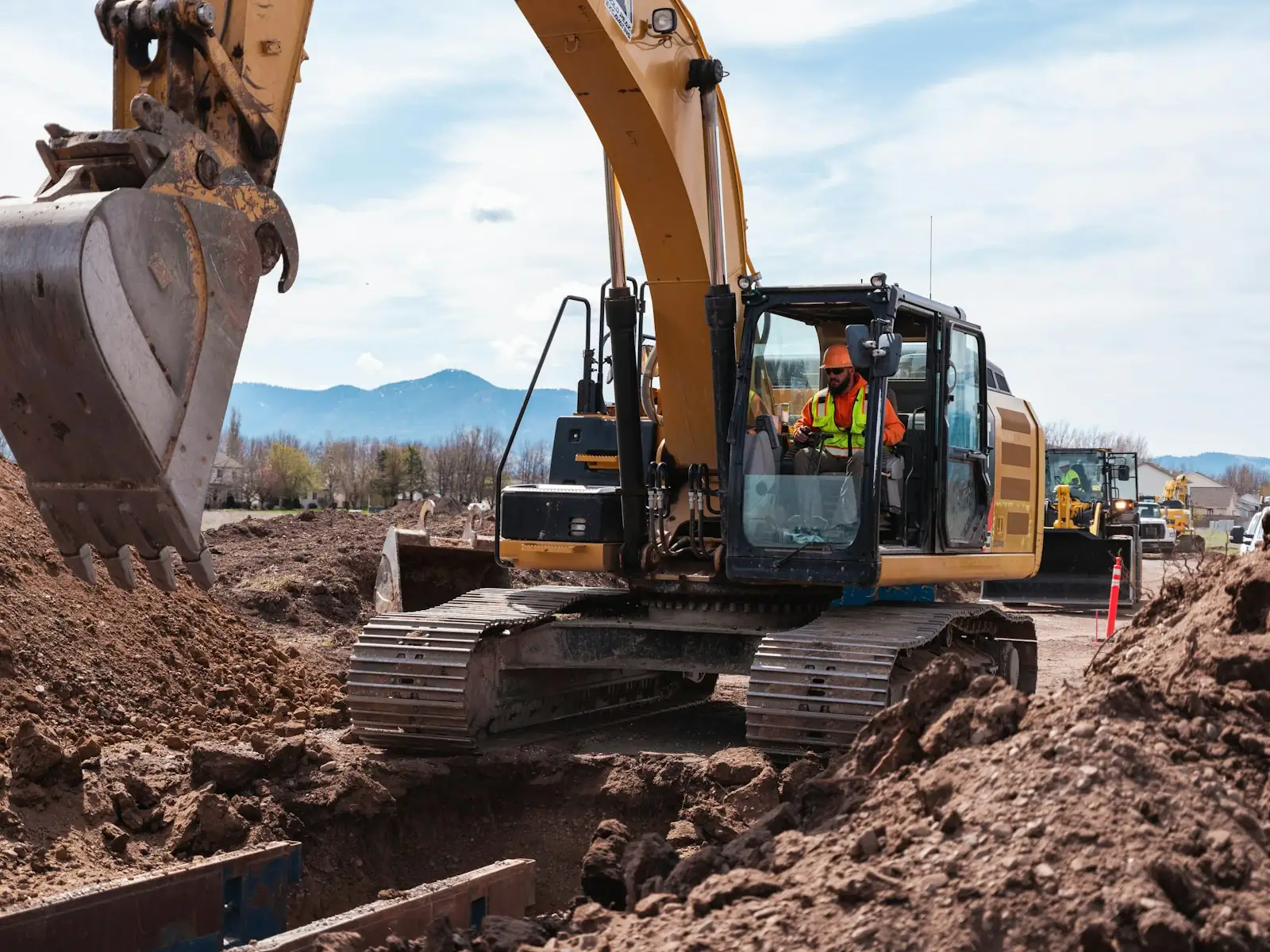 Fund a new contract or tenderWith or without property
 Buy equipment or machineryNo property needed
 Pay an ATO or tax debtWith or without property
 Consolidate business debtsWith or without property
 Rescue a settlementProperty-secured
Best-fit loan types
The payment chain, and why it lands on you
Australian construction runs on a chain, and the money moves down it slowly. A subcontractor waits on a head contractor, who waits on a developer, who waits on a financier. A delay anywhere — a disputed variation, a certifier’s query, a financier’s drawdown schedule — passes straight down and lands on whoever is furthest from the money and least able to absorb it.
Security of payment legislation exists in every state to make that chain work, and it does help. What it does not do is make the money arrive today. An adjudication takes weeks you do not have when wages are due Thursday.
The result is a sector where profitable businesses fail on timing rather than on margin. Progress claim delays are the single most common reason construction businesses come to us, ahead of equipment, expansion and tax combined.
Mobilisation is the hardest money to find
Winning a contract is expensive before it is profitable. Plant has to be on site, crews engaged, materials ordered and a bond or bank guarantee lodged, all of it weeks before the first claim is even made, let alone paid.
Banks assess mobilisation funding against trading history, which is precisely backwards: the contract that most needs funding is the one that is larger than anything in last year’s figures. A builder whose turnover is about to double cannot demonstrate it with accounts describing the year before.
Property-secured funding sidesteps that entirely. The assessment is the equity behind your existing mortgage and the contract itself as the exit, repaid from claims over a defined period. That is why a civil contractor with a signed contract and a home with equity can be funded inside a day, while the same file at a bank takes six weeks and may still fail.
What about retention and defects liability?
Retention is money you have earned and cannot touch, typically five per cent per claim, half released at practical completion and the balance at the end of the defects period twelve months later. Across several jobs it adds up to a serious sum sitting outside your control.
It is not usually borrowable against on its own, because release depends on events rather than on a date. What it does do is justify a facility: a business consistently carrying six figures of retention has a structural working-capital need that is not a warning sign, and it should be financed deliberately rather than absorbed job by job.
The practical approach is to fund the gap against property with a term matched to when retention and final claims actually land, rather than to when the contract says they will. Building a month or two of margin into the term costs far less than needing an extension.
Does a builder with no current financials qualify?
Yes, on property-secured lending, and it is the normal case rather than an exception. Construction businesses are among the least likely to have current figures, because the financial year ends in the middle of jobs and the accounts describe a year that bears little relation to the present workbook.
Where you own property, financials are not part of the assessment. The equity behind your existing mortgage does the work, alongside a clear account of how the loan gets repaid — a progress claim, a contract, a settlement, a refinance already underway. Funding can complete in as little as 24 hours, and overdue lodgements, ATO debt and a poor credit file are all workable.
Where you do not own property, cash-flow lending reads recent bank statements instead. That suits a builder with regular deposits better than one paid in three large instalments a year, which is worth knowing before applying rather than after.
One structural point worth making: the size of the contract in front of you is not evidence a bank can use, because it is not in last year’s figures. It is exactly the evidence a property-secured lender can use, because it is the exit. That inversion is the main reason this sector uses private lending as heavily as it does.
Two fast lanes
- Check eligibility60 seconds online, with no credit score impact.
- We pick your fastest laneProperty-secured (up to $5M, no financials) or cash-flow (bank statements).
- Get a decisionUsually the same business day, with every cost in writing.
- Get fundedIn as little as 2 hours (cash-flow) or 24 hours (property-secured).
Frequently asked questions
Do you lend to construction companies?
Yes. Builders, subcontractors, civil contractors and developers are all core clients.
Can developers get finance to complete a project?
Yes, often through a private first mortgage over the site with capitalised interest.
Does it cost anything to apply?
No. There's no cost to apply or check your eligibility. All costs are set out in writing in your loan offer before you sign anything.
Will checking my eligibility affect my credit score?
No. Our 60-second eligibility check doesn't make a credit enquiry. A credit check is only done later, with your consent, if you decide to proceed.