
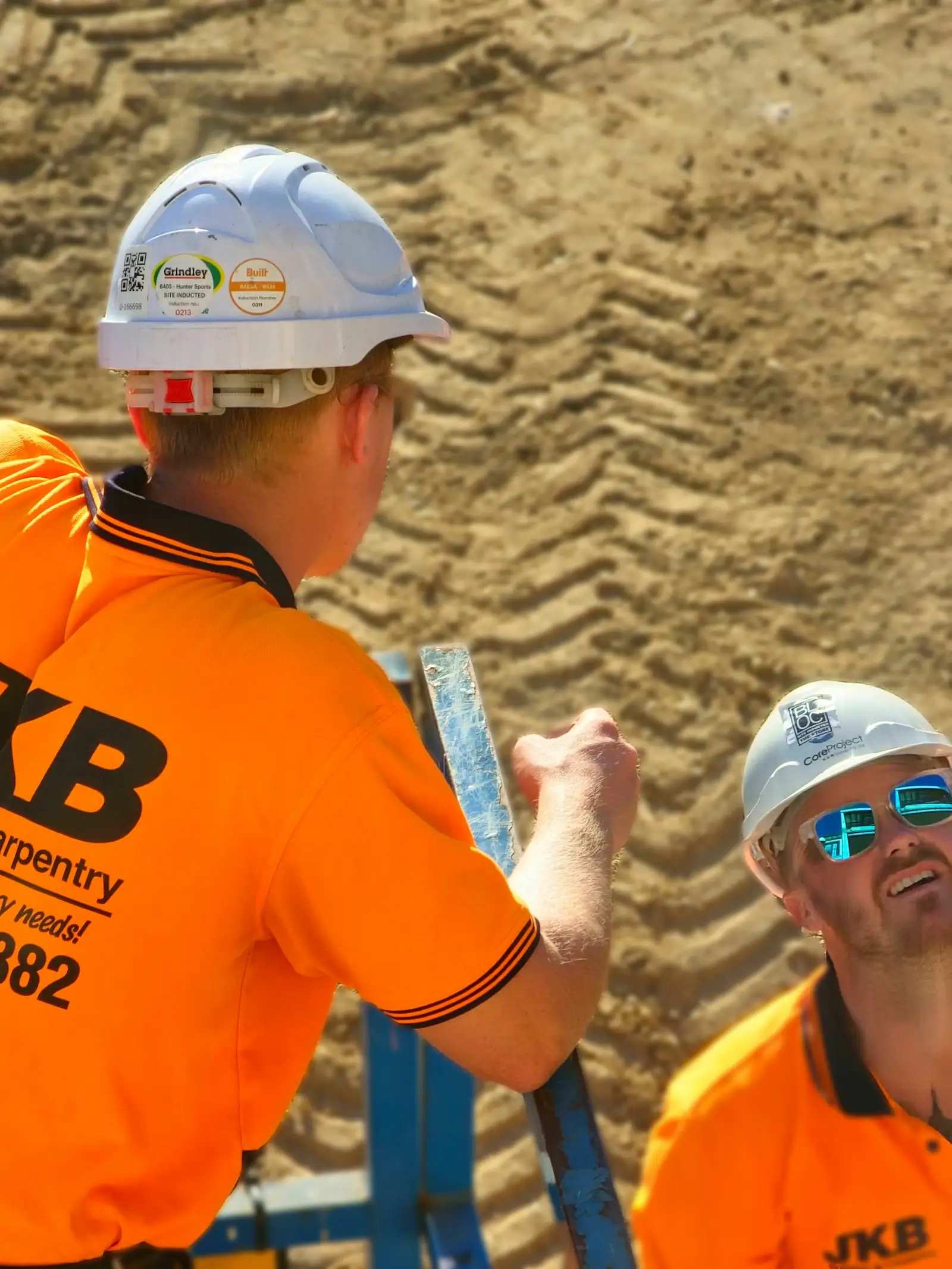
Trade businesses carry costs up front and get paid last. Materials go on account, the builder pays in 45 days, and the ute always seems to break down in the busiest week. We understand how trade cash flow works, and we fund it fast.
What tradies use fast finance for
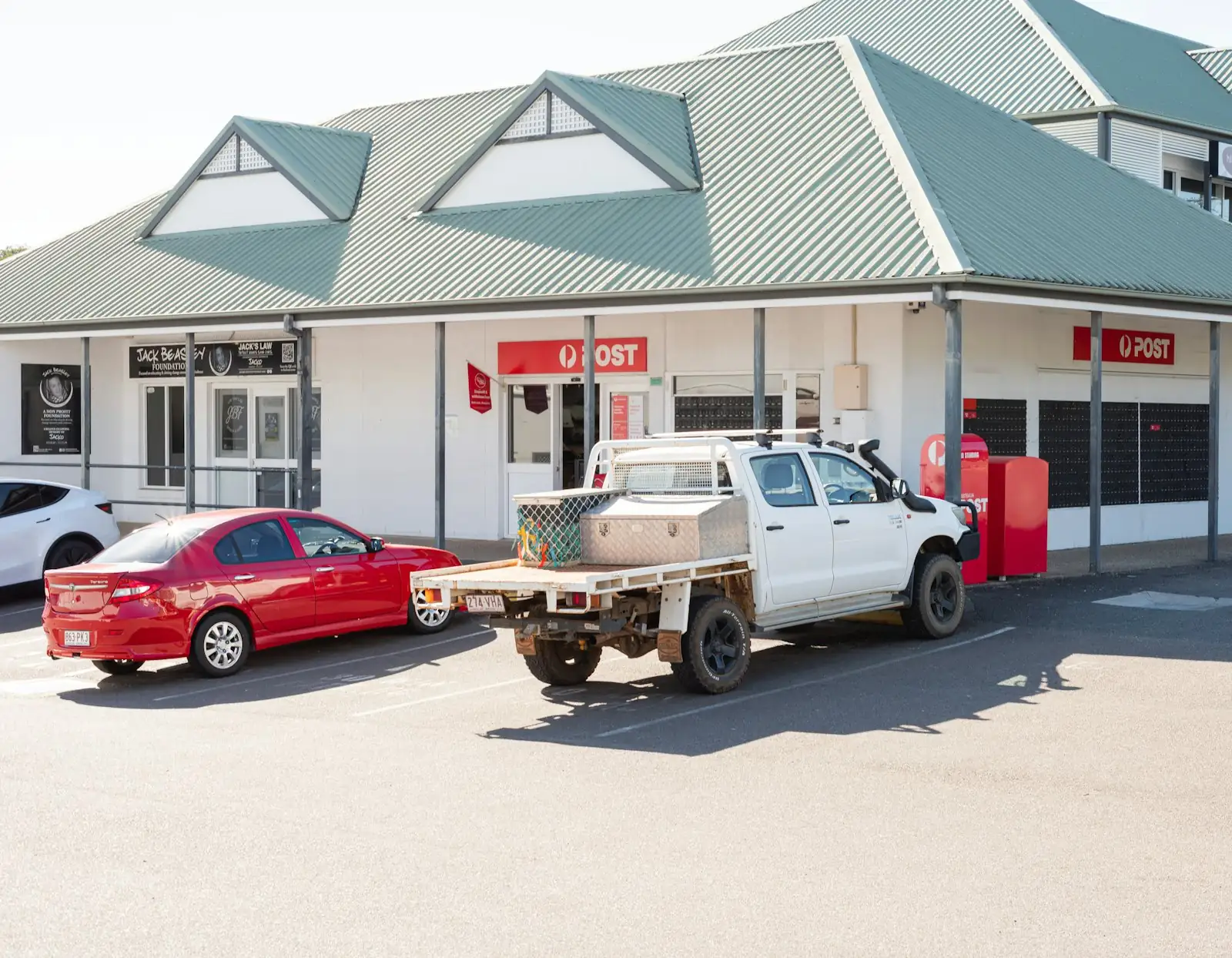 Buy vehicles, utes & trucksNo property needed
 Repair broken equipmentNo property needed
 Cover delayed progress paymentsWith or without property
 Hire new staffNo property needed
 Pay an ATO or tax debtWith or without property
 Fix a cash-flow gapWith or without property
Best-fit loan types
Why trade cash flow breaks the way it does
Trade businesses carry the cost of a job before anyone pays for it and get paid after almost everyone else in the chain. Materials go on a 30-day account, wages go out weekly, and the builder pays on 45 days from the end of the month the claim was made in — which in practice is closer to seventy.
That gap is structural, not a sign of a badly run business. A trade business growing quickly makes it worse, because every new job adds materials and labour to fund before the first payment arrives. Plenty of profitable trade businesses run out of money at exactly the point they are winning the most work.
Retention makes it sharper again. Five per cent held on each job, released at practical completion and the rest at the end of the defects period, means a meaningful slice of a year’s revenue is sitting on somebody else’s balance sheet at any moment. It is yours, it is simply not available.
What tradies actually borrow for
| The need | Why it cannot wait | Usual answer |
|---|---|---|
| A ute or van off the road | No vehicle, no revenue, and the tools are in it | Same-day cash-flow funding, or equipment finance |
| Materials for a won job | Suppliers want payment before the first claim is made | Short-term funding repaid by the claim |
| An apprentice or a second crew | Wages start before the extra capacity is billed | Cash-flow lending sized to turnover |
| A builder paying late | The work is done and the money is not there | Bridging against property, or invoice finance |
| ATO or BAS debt | Interest accrues and collection firms up | Property-secured funding, no lodgements needed |
| Tools and plant | A job needs equipment you do not own yet | Equipment finance, or short-term funding |
Can you fund a trade business with no financials?
Yes, and it is the usual case rather than the exception. Trade businesses are among the least likely to have current financials, because the year ends in the middle of jobs and the accountant is working on a set of figures that were true nine months ago.
If you own property, financials are not part of the assessment at all. The equity behind your existing mortgage and a clear explanation of how the loan gets repaid do the work, and funding can complete in as little as 24 hours. Bad credit, ATO debt and overdue lodgements are all workable.
If you do not own property, a cash-flow loan is assessed from recent bank statements rather than tax returns. That works well for a trade business with steady deposits, and it can fund in as little as 2 hours.
What to have ready, and what actually slows a trade file down
Trade files move faster than almost any other kind, because the information needed is simple and the owner usually has it on their phone. Four things cover it: the property address and roughly what is owing, ID for everyone on the title, the amount needed and what it is for, and how the loan gets repaid.
That last one is where trade files stall, and it is rarely because there is no answer. It is because the answer is obvious to you and unstated. ‘The builder pays the claim at the end of next month’ is a documented exit. ‘Cash flow will pick up’ is not, and the difference is a phone call.
The other common delay is ownership. Trade businesses frequently hold property in a company or a family trust set up years ago, and the signatories are a spouse, a former partner or an accountant’s nominee company. Confirming who has to sign, and that they are contactable today, is the single highest-value thing you can do before ringing anyone.
Bring the awkward parts up first. Defaults from a bad year, an ATO balance, a dispute with a builder, a caveat somebody lodged over a job gone wrong. None of it necessarily stops the loan. Finding it at four o’clock on settlement day does.
Two fast lanes
- Check eligibility60 seconds online, with no credit score impact.
- We pick your fastest laneProperty-secured (up to $5M, no financials) or cash-flow (bank statements).
- Get a decisionUsually the same business day, with every cost in writing.
- Get fundedIn as little as 2 hours (cash-flow) or 24 hours (property-secured).
Frequently asked questions
Can sole-trader tradies get a business loan?
Yes. With an active ABN and regular deposits, sole traders can qualify for cash-flow loans, and property owners can borrow against equity.
Can I finance a used ute from a private seller?
Yes. See our vehicle finance page for details.
Does it cost anything to apply?
No. There's no cost to apply or check your eligibility. All costs are set out in writing in your loan offer before you sign anything.
Will checking my eligibility affect my credit score?
No. Our 60-second eligibility check doesn't make a credit enquiry. A credit check is only done later, with your consent, if you decide to proceed.