
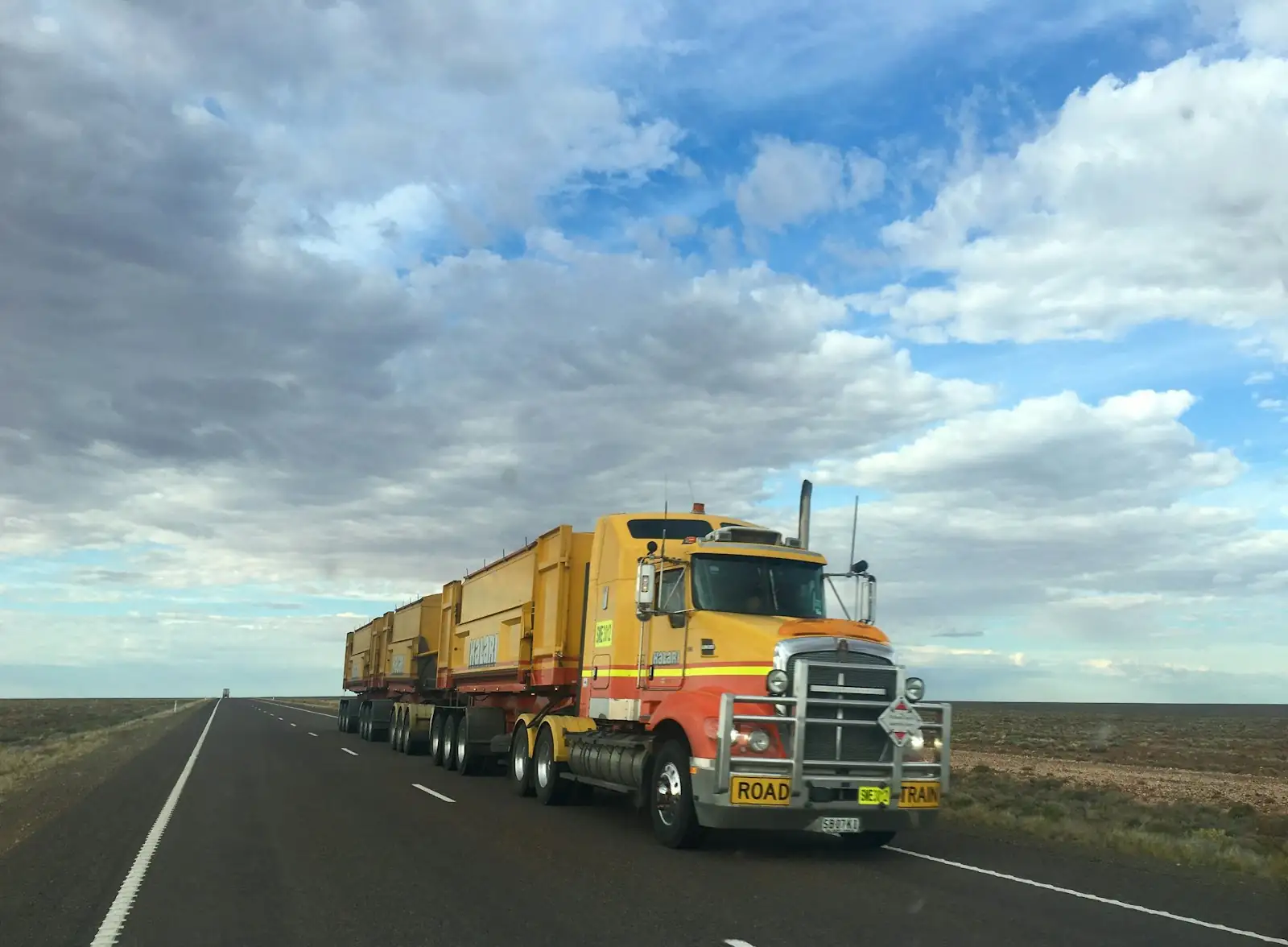
A truck off the road earns nothing, and freight customers rarely pay quickly. Fuel, tolls, rego and drivers are due every week. We fund transport businesses at the speed they move.
What transport & logistics use fast finance for
 Repair broken equipmentNo property needed
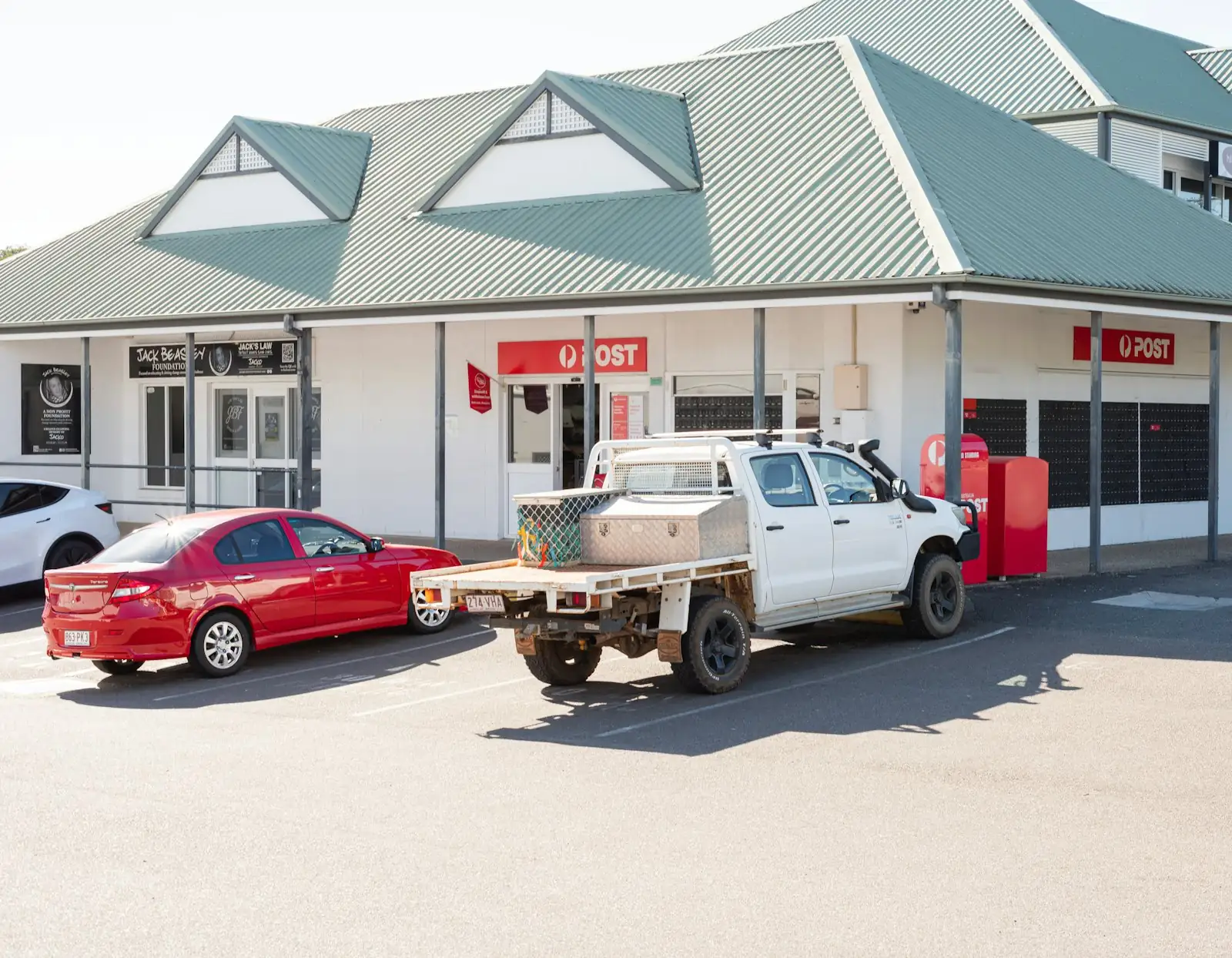 Buy vehicles, utes & trucksNo property needed
 Fix a cash-flow gapWith or without property
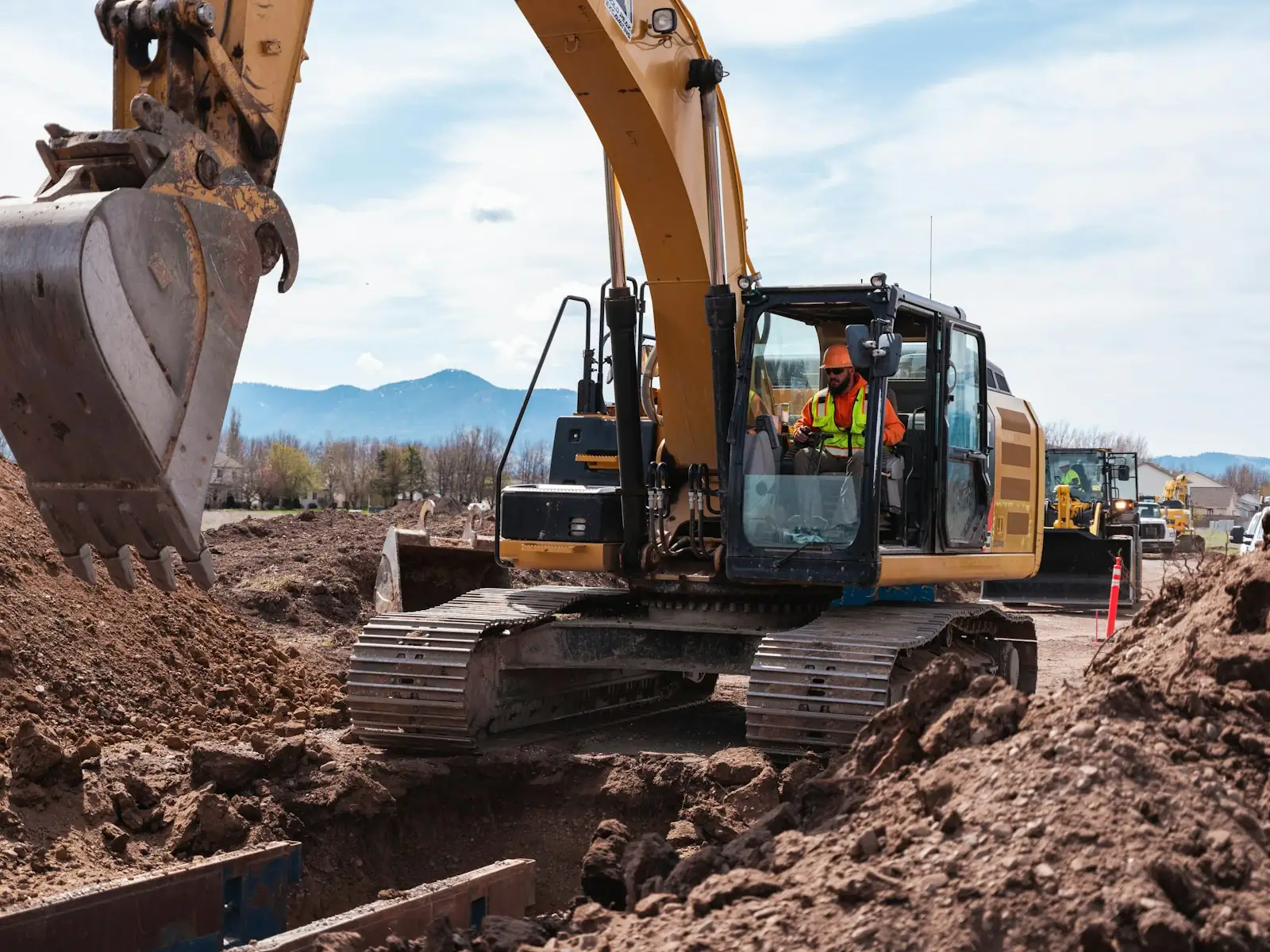 Fund a new contract or tenderWith or without property
 Pay wages & superNo property needed
 Consolidate business debtsWith or without property
Best-fit loan types
Why transport and logistics cash flow is unusually tight
Transport carries the highest fixed costs of any small-business sector and the least flexibility in them. Fuel, registration, insurance, compliance and finance repayments continue whether the truck moves or not, and the one variable cost — the driver — is the hardest to replace if you let them go.
Payment terms make it worse. Freight and logistics contracts commonly run on 45 to 60 day terms while fuel is paid weekly and wages fortnightly. A business winning a large new contract funds two months of running costs before the first invoice is paid, which is why growth is the most dangerous period for an operator rather than the safest.
And a vehicle off the road is not a cost, it is a revenue stop. A prime mover out of service for a fortnight is a fortnight of contracted work either subcontracted at a loss or missed, and missed work in this industry has a habit of becoming somebody else’s contract permanently.
What transport operators borrow for
| The need | What it costs to wait | Usual answer |
|---|---|---|
| A major repair or rebuild | Every day off the road is contracted revenue gone | Same-day funding against property, or cash-flow lending |
| Mobilising on a new contract | Fuel, wages and maintenance for 60 days before the first invoice | Short-term funding repaid by contract revenue |
| Adding vehicles | Deposit and running costs before the extra capacity earns | Equipment finance, or property-secured funding for the gap |
| Fuel and running costs in a peak | Volume up, cash out before cash in | Cash-flow lending sized to turnover |
| Compliance and registration | Non-negotiable dates, vehicles cannot run without them | Short-term funding |
| ATO or BAS debt | Collection activity threatens the operating account | Property-secured funding, no financials needed |
Do you fund owner-drivers and small fleets?
Yes, both, and the assessment differs less than you would expect. An owner-driver with a home carrying equity is assessed on that equity and on how the loan is repaid, exactly as a ten-truck fleet would be. Fleet size is not the question; the security and the exit are.
For operators without property, cash-flow lending assessed from bank statements works where deposits are regular. A business running on two or three large contracts with monthly payments is harder to assess this way than one with many smaller regular deposits, which is worth knowing before you apply.
Long-distance and regional operators are funded the same way as metropolitan ones. The only practical difference is the security: a property in a remote or single-industry town generally needs a physical valuation, which adds days rather than hours. If you have a choice of security and a tight deadline, the metropolitan property is the faster route.
Funding a truck against property instead of the truck
Most operators reach for equipment finance first, and for a straightforward purchase of a newer vehicle that is usually right. It is purpose-built, the asset secures itself and the terms suit a long-lived piece of plant.
It stops working in three situations that come up constantly. The vehicle is older than a financier’s age limit, which rules out a great deal of serviceable equipment. The need is a repair or a rebuild rather than a purchase, and there is no new asset to secure. Or the timing is wrong, because an equipment financier works to a process measured in days and the truck is off the road now.
In all three, borrowing against property you already own solves it. The loan is not tied to the vehicle at all, so the vehicle’s age, condition and whether it is being bought or repaired stop mattering. Funding can complete in as little as 24 hours, and the money can do anything — a rebuild, a deposit, registration, or simply covering the weeks of lost revenue while the work is done.
The sensible structure is often both: equipment finance for the asset, and a short-term property-secured loan for the gap while it is out of service. They are solving different problems and there is no reason to pick one.
Two fast lanes
- Check eligibility60 seconds online, with no credit score impact.
- We pick your fastest laneProperty-secured (up to $5M, no financials) or cash-flow (bank statements).
- Get a decisionUsually the same business day, with every cost in writing.
- Get fundedIn as little as 2 hours (cash-flow) or 24 hours (property-secured).
Frequently asked questions
Can owner-drivers get truck finance?
Yes. Owner-drivers with an ABN and regular deposits are a strong fit.
Can you fund an urgent truck repair?
Yes. Cash-flow loans for repairs can be funded the same day.
Does it cost anything to apply?
No. There's no cost to apply or check your eligibility. All costs are set out in writing in your loan offer before you sign anything.
Will checking my eligibility affect my credit score?
No. Our 60-second eligibility check doesn't make a credit enquiry. A credit check is only done later, with your consent, if you decide to proceed.