
In retail, timing is everything. Buy stock too late and you miss the season, and a slow month can collide with a rent review. We give retailers the speed to buy when it counts.
What retail use fast finance for
 Buy stock & inventoryNo property needed
 Take a bulk-buy discountNo property needed
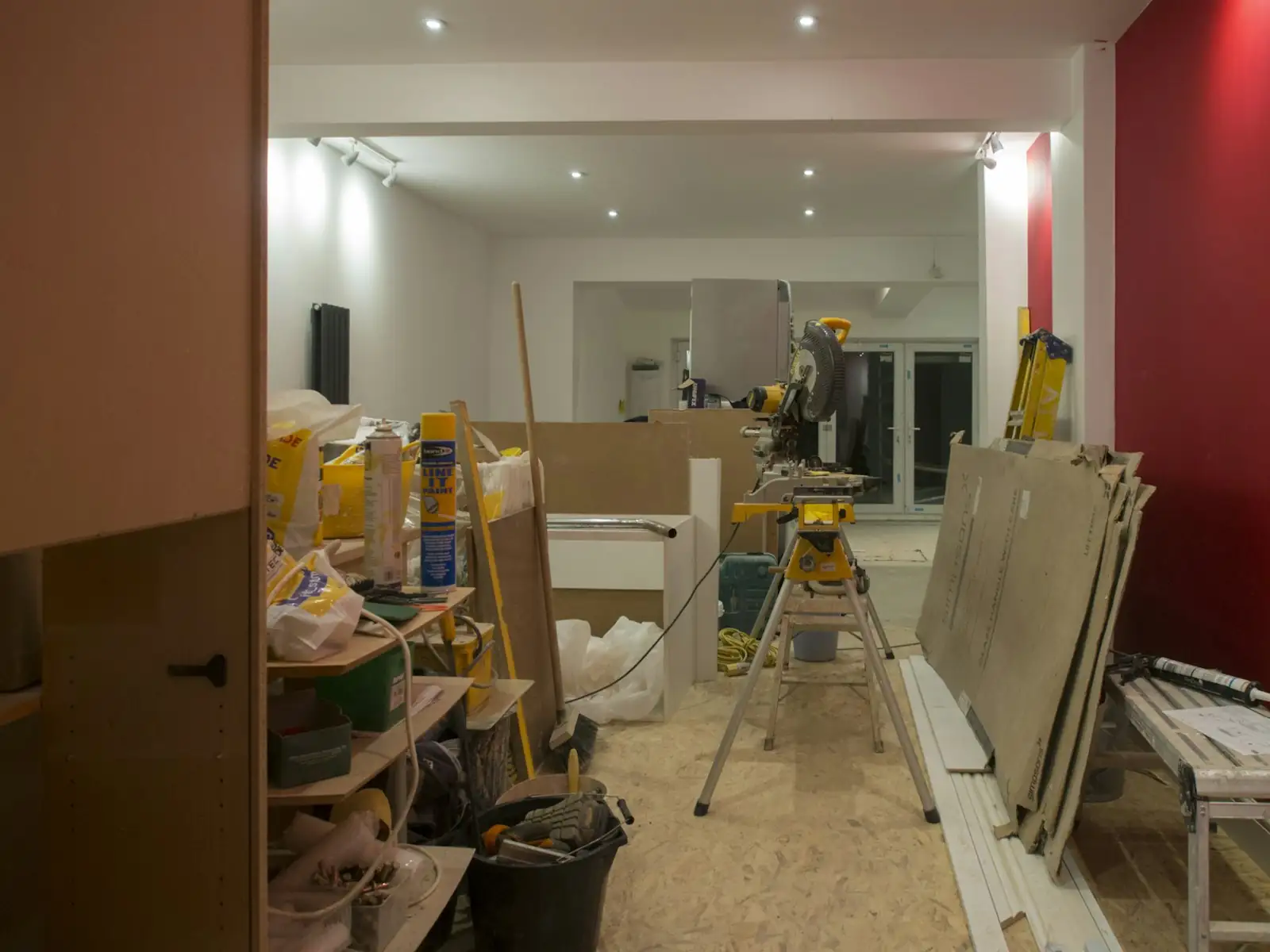 Fit-out or renovateWith or without property
 Fund a marketing pushNo property needed
 Smooth seasonal cash flowNo property needed
 Fix a cash-flow gapWith or without property
Best-fit loan types
The stock cycle is the whole problem
Retail is a business of buying inventory months before customers pay for it. Christmas stock is committed in August and paid for in September, and it converts to cash in December if the season goes well and in the following March if it does not. Every retailer is effectively lending money to their own peak.
Suppliers have tightened terms across the last few years while landlords have not, so the window between paying for stock and selling it has widened for many operators. A retailer whose sales are flat can still find cash getting harder purely because of when money moves.
Get the buy wrong and the problem compounds: unsold stock is cash converted into something that now needs discounting. That is why retail funding needs to be sized to the season and repaid by it, rather than taken as an open-ended facility that outlives the stock it bought.
What retailers borrow for
| The need | The timing problem | Usual answer |
|---|---|---|
| Seasonal stock | Paid for months before it sells | Short-term funding repaid by the season |
| A supplier discount worth taking | Bulk pricing requires cash you do not have this week | Cash-flow lending, repaid from the margin |
| Fit-out or refit | Landlord timetables and trading interruption | Property-secured funding |
| A second store or an online build | Cost lands well before the revenue | Property-secured funding up to $5M |
| A quiet period after a peak | Fixed costs continue when sales do not | Short-term funding |
| Clearing ATO or supplier arrears | Accounts go on stop and supply stops | Property-secured funding, no financials |
Does online or bricks-and-mortar change the assessment?
Barely, on property-secured lending. The equity behind your existing mortgage and how the loan gets repaid are what matter, and both are the same whether you sell from a shopfront, a warehouse or a website.
It matters more for cash-flow lending, where the assessment reads your bank statements. An online business with steady daily settlements often reads more clearly than a seasonal bricks-and-mortar store with three enormous months and nine quiet ones, even where the store is the more profitable business.
For a retailer with a card terminal, a merchant cash advance is worth knowing about: repayment takes a percentage of daily card and EFTPOS sales rather than a fixed monthly amount, which fits a seasonal pattern better than an amortising loan does. It is not always the cheapest option, but it is frequently the one that survives a bad month.
How much stock funding is the right amount?
Less than most retailers take, and for a shorter term. The instinct with a seasonal facility is to borrow generously and keep the headroom, which feels prudent and is usually expensive. Interest runs on money sitting unused, and stock bought because the facility allowed it is the single most common source of a discounting problem in February.
The number that works is the shortfall between what the season costs to buy and what the business can fund from trading, plus a margin for the sell-through being slower than planned. Not the whole buy, and not the whole facility a lender is willing to write.
The term matters as much as the amount. Write it to when the stock actually converts to cash, with a few weeks of margin, rather than to a round twelve months. A facility that outlives the stock it bought is being repaid out of next season’s buying money, which is how one difficult season becomes two.
Ask two things before signing: what early repayment costs, because a season that goes well should let you clear it early, and what an extension costs, because a season that goes badly will need one. Having both answers in writing at the start removes the only two conversations you are likely to need.
Two fast lanes
- Check eligibility60 seconds online, with no credit score impact.
- We pick your fastest laneProperty-secured (up to $5M, no financials) or cash-flow (bank statements).
- Get a decisionUsually the same business day, with every cost in writing.
- Get fundedIn as little as 2 hours (cash-flow) or 24 hours (property-secured).
Frequently asked questions
Can online-only stores get a loan?
Yes. We assess your business bank and payment-platform deposits.
What's best for buying stock?
Usually a line of credit you can draw each season.
Does it cost anything to apply?
No. There's no cost to apply or check your eligibility. All costs are set out in writing in your loan offer before you sign anything.
Will checking my eligibility affect my credit score?
No. Our 60-second eligibility check doesn't make a credit enquiry. A credit check is only done later, with your consent, if you decide to proceed.